This spring, music and oceanfront luxury come together in an unexpected harmony at The Ritz-Carlton, Fort Lauderdale, where a monthlong collaboration with Gibson transforms the beachfront resort into an immersive celebration of sound, flavor, and design.
Launching April 10 and running through May 10, the Gibson Guitar Experience coincides with the city’s annual Tortuga Music Festival and invites both hotel guests and visitors to explore a curated program of live performances, themed culinary events, spa rituals, and art installations inspired by one of the most recognizable names in music.
“Our partnership with Gibson allows us to bring a new dimension to the resort experience through the universal language of music,” says Jose Torres, general manager of The Ritz-Carlton, Fort Lauderdale. “By pairing Gibson’s legendary craftsmanship and sound with our oceanfront setting, elevated culinary offerings, and restorative spa experiences, we’re creating a fully immersive getaway that resonates well beyond the stay.”
Guests reserving Club Lounge accommodations receive the most immersive version of the experience. In-room welcome amenities include a co-branded Gibson x Ritz-Carlton guitar pick and a handcrafted dark chocolate guitar accented with bon bons and cacao nibs. Inside the Club Lounge itself, select Gibson guitars are available for guests to play, surrounded by storytelling displays celebrating the brand’s 130-plus years of craftsmanship. Live music on select evenings adds a relaxed rhythm to the lounge’s sweeping Atlantic views.
The culinary program draws inspiration from Nashville, Gibson’s hometown. Morning offerings include Southern-style biscuits and jam, while evenings bring Tennessee sweets and smoke-infused cocktails. Signature bites such as Sunburst Tuna Crudo, Goldtop Hot Gulf Shrimp with smoked chili butter, and Appalachian Spoon Bread Dumplings nod subtly to Gibson’s iconic instruments and Southern culinary traditions.
At the resort’s restaurant, Burlock Coast Seafare & Spirits, the experience takes a more indulgent turn with Smoke & Strings, a four-course tasting menu with cocktail pairings priced at $199 per person. The menu moves from Southern biscuits and pickled pink shrimp to roasted local beets with brûléed goat cheese and a Gibson Martini. A dual entrée of country-fried fish with white corn grits and whiskey-bathed cowboy steak follows, paired with a Tennessee Whiskey Wood Barrel Old Fashioned, before closing with a smoked s’mores tart and peanut-inspired rum cocktail.
The musical theme carries into the wellness offerings at The Ritz-Carlton Spa, Fort Lauderdale, where the exclusive Harmonic Heat Therapy treatment blends infrared heat, sound immersion, and massage during an 80-minute multisensory ritual designed to promote deep relaxation.
Outdoors, the oceanfront Sea La Vie Sundeck hosts live music on select Saturdays, where poolside service, ocean breezes, and Gibson-inspired cocktails such as a Frozen Old Fashioned create an effortless afternoon soundtrack along the Atlantic.
The collaboration also carries a philanthropic note. Proceeds from a custom-wrapped Gibson guitar created by Florida digital artist Kenneth Kudulis will benefit Gibson Gives, which supports music education and wellness initiatives for musicians worldwide. Kudulis will appear at the resort April 10 and 11 to discuss the artwork and offer complimentary prints to guests.
With its blend of music, hospitality, and oceanfront atmosphere, the Gibson Guitar Experience adds an unexpected rhythm to the Fort Lauderdale shoreline, proving that even in a city known for sunshine and sand, the right soundtrack can elevate the entire escape.
The spring is one of my favorite times of year, and The Masters is the crown jewel of it all. If you’re lucky enough to be heading to Augusta National this April, I want to help you feel completely prepared. My husband has attended every year for over 20 years, I’ve been myself, his dad is a golf pro, and his brother has played in the tournament. It’s a place that feels like home to us.
If you know anything about golf, you know that tournaments are classy sporting events with a dress code that’s more dressy than, say, what you might wear to a football game. The Masters is by far the most formal of them all. I’m sharing my best tips for what to wear below, along with ideas for staying cool since April in Augusta can get warm quickly.
5 Masters 2026 Outfit Ideas (Styled Head to Toe)
One of the things I love about the Masters is that it’s a dressy event. Wearing a polished, appropriate outfit matters even as a spectator. Below are five complete looks I’d reach for at Augusta, each styled head to toe so you can shop them exactly or use them as a starting point.
1. Classic Augusta: The Gingham Halter Midi
If one pattern was made for Augusta, it’s gingham. This green and cream halter midi has a tiered skirt that moves beautifully on the course, a polished halter neckline, and a color that is classic Masters style. Keep accessories natural and understated so the dress stays the star. The Reebock sneakers have the perfect touch of green to match and will save your feet walking the green for hours!
You can’t go wrong with all white at Augusta. This sleeveless knit polo top and matching belted mini skirt is polished without feeling overdressed. The sneakers with bold green branding echo the course and give the all-white look the pop it needs. A white baseball cap, open-weave raffia bag, and round gold-frame sunglasses round it out perfectly.
If there’s one outfit in this guide worth a splurge, it’s this one. The Cara Cara green and white botanical-print midi is the kind of dress that photographs at Amen Corner and then gets worn to every garden party for the next decade. The print does enough work that accessories barely need to try.
The romper is the most underrated Augusta outfit choice. One piece, zero fuss, inherently polished, and one of the most comfortable things you can wear for a full day of walking the course. This green and white gingham version with a drawstring waist is flattering and practical in equal measure. The wide-brim straw fedora elevates the whole look instantly. Keep everything else natural: raffia bag, off-white Reeboks, tortoise aviators.
This one is for the person who doesn’t want to wear gingham just because everyone else is. The green toile medallion-print mini is a more unexpected take on the Augusta color story, with a silhouette that’s easy to walk in all day. The green woven leather hobo bag is a color-on-color look that works because the textures are so different. VEJA sneakers (which are one of my top white sneakers in this post) in white and green echo the dress without being too matchy, and a delicate gold chain necklace is all the jewelry this look needs. Finish the look with the wide brim sun hat to keep the sun out of your eyes for the full-day tournament.
The first thing my father-in-law said to me when he saw some of the pictures I sent him as I prepared to attend my first Masters was: “sandals are a rookie mistake”. Note taken. I should have figured, considering I knew we’d be walking for HOURS and standing on our feet most of the day. Wearing comfortable sneakers (or even golf shoes) shows you’re really there for golf.
Don’t believe me? Just google photos of Meredith Scheffler at Scottie’s matches. It’s always sneakers. When we were at Augusta, we saw a woman walking in giant platform sandals and even heard a couple of players making fun of her. Yikes, but it’s hilarious. (Unless you’re the woman trying not to break your ankles all day.) While this is certainly true of the Masters, it is also true of other golf tournaments.
Practical and a cute accessory. I love the Tortoise Wayfarer Ease from Ray-Ban, a classic tortoise frame that works with every outfit in this guide and will last for years. Any sunglasses will do since you’ll be wearing them most of the day. A few of my current favorites are linked below.
Sunglasses I’m Loving
Turn on your JavaScript to view content
A small purse
There is a small bag policy at the Masters, so measure before you pack. At Augusta, bags must be 10″ x 10″ x 12″ or smaller, so a small crossbody or structured handbag is your best bet. You’ll want to carry your sunglasses, a small bottle of sunscreen, your wallet or card holder, and maybe a lip gloss.
For spring, a straw or raffia bag is perfectly appropriate. The Cream Hariette Raffia Handle Bag in this guide would go with any outfit and fits well within Augusta’s size requirements. I also have a full roundup of my favorite straw bags if you want more options.
Sunscreen
You’ll be outside in the sun (assuming there’s no rain…), so you’ll want to be prepared. I was NOT prepared at my first Masters and ended up with a pretty bad sunburn. The OS-01 FACE SPF 30+ is my very favorite face SPF since it applies perfectly under makeup. It blends right in without leaving any white cast, and it feels great on my skin all day. It’s made with 100% Non-Nano Mineral Broad Spectrum UV filters and potent antioxidants.
What NOT to wear or bring to the Masters
Sandals or heels of any sort
Like I said above, rookie move. I am SO thankful I wore sneakers. (I literally witnessed a woman falling in wedges and another walking barefoot, carrying her sandals.)
Food and drinks
There’s no need to bring your own food or drinks anyway, since the food at golf tournaments is usually really good.
Diaper Bags or Strollers
Strollers are prohibited at the Masters, so this is a great time for an adults-only getaway, or bring the kids once they’re walking and can genuinely enjoy a full day of golf.
Cameras
Cameras are only allowed on certain days at the Masters (practice rounds) and are prohibited during the tournament rounds. Check Augusta National’s official policies before you pack.
Frequently Asked Questions About What to Wear to the Masters
What should I wear to the Masters as a spectator?
A sundress, midi dress, romper, or matching set in spring-appropriate colors and fabrics is the sweet spot. Think polished and put-together, this is not a casual sporting event. Green and white are the obvious color choices for Augusta, but any classic spring palette works. The most important thing after the outfit itself: comfortable sneakers. You will walk more than you expect.
Is there a dress code for Masters spectators?
There’s no formally published dress code for spectators at the Masters, but Augusta National has a clear culture of dressing up. Think of it like a garden party that also happens to involve a lot of walking. Avoid anything too casual (cutoff shorts, athletic wear, flip flops) and you’ll be fine.
Can you wear jeans to the Masters?
Blue jeans are generally considered too casual for Augusta. White jeans are an exception and work well on a cooler day paired with a nice blouse or cardigan. If it’s warm (and April in Augusta usually is), a dress or lightweight set is far more comfortable anyway.
What shoes should I wear to the Masters?
Sneakers. Full stop. You will be on your feet all day walking the course, and there is no graceful way to do that in sandals or heels. My father-in-law (a golf pro who has been going to Augusta for decades) told me before my first Masters: “sandals are a rookie mistake.” He was right. Wear broken-in sneakers. My VEJA Recifes are my go-to.
What bag can you bring to the Masters?
Augusta National requires bags to be 10″ x 10″ x 12″ or smaller. A small crossbody bag or structured handbag in that size range works perfectly. For spring, a raffia or straw bag is ideal. No clear bag requirement at the Masters (unlike some other tournaments), so you have more flexibility with style.
What color should I wear to the Masters?
Green and white are the most popular choices among spectators and feel very intentional at Augusta. That said, any classic spring palette: navy, blush, yellow, cream, is entirely appropriate. The main thing to avoid is looking underdressed. If your outfit would feel at home at a bridal shower or garden party, you’re probably in good shape.
When is the Masters 2026?
The 2026 Masters Tournament is scheduled for April 9-12, 2026 at Augusta National Golf Club in Augusta, Georgia. Practice rounds typically take place April 6-8.
Whether you’re a first-timer or a returning Augusta regular, dressing with equal parts polish and comfort is the goal. These outfit ideas work beautifully for a day at the Masters, and if you have any questions, drop them in the comments below!
If you’ve ever seen an influencer talking about the LTK Sale, you may have wondered what it was, how it worked, and if it was worth shopping. And if I’m being 100% transparent with you, I’ve even wondered about those same questions, and I am an influencer/blogger!
For some reason, when LTK has done in-app sales in the past, I’ve found them a little confusing. Like, is everything in the app on sale? Do I have to shop through the app? What brands are included?
Over the years, I’ve spent some time on the phone with my rep from LTK, and got my own personal questions nailed down so that I could answer them here for you! Now that I understand how it works, I think this LTK Spring sale is VERY worthwhile. And while LTK has in-app sales a couple times a year, the options with this year’s spring lineup are definitely worth shopping.
Let me explain why this sale is so great, when it’s happening (this week!), and what to buy (and with what promo codes!).
LTK Spring Sale 2026
First things first: the LTK Spring Sale for 2026 is happening! The dates are March 12-15, so you have only four days to shop.
How does the LTK Sale work?
Various brands partner with LTK to offer private promo codes to app users. The brands change with each LTK sale, and as I said, this year’s list is the best I’ve ever seen. This spring, five brands are included in the sale.
The promo codes are only available within the LTK app, so as you scroll and find items you want to add to your cart within the app, you can copy and paste the secret code from the app to use at checkout on the retailer’s website.
LTK App
The goal is to have shoppers use the LTK app, find products there, and then copy/paste the code and checkout in their browser. However, as soon as the sale starts, I’m going to snag all of the promo codes from the app and put them in this post, so if you prefer to browse on your desktop like I do, you can still shop the sale. Even if you don’t shop through the app, you do still need to use an LTK link, so any of my links below should allow you to use the codes.
However, if you are already LTK app user, you’ll find that the sale shopping experience is a good one. Anything included in the sale will have a little sticker that reads “LTK Exclusive Sale” so you can scroll through your favorite influencer’s outfits on the app and note what’s included right there. Here’s how it looks on my LTK profile:
To recap, here’s how the LTK sale works:
Who: Anyone who uses the LTK app can shop the sale. Or anyone who has an LTK product link and the code.
What: A 4-day sale with 8 participating brands. These brands have private promo codes that are only available to app-users.
When: March 12-15
Which brands are included in the LTK Sale?
The following brands are participating in the LTK Sale, and as soon as the sales are live, I’ll add the promo codes. They’re listed in order of my favorite brands / most-shopped brands, but I included them all in case there are others you like.
Here are a few favorites to click through as well:
JavaScript is currently disabled in this browser. Reactivate it to view this content.
Vuori
Vuori is one of those brands I always keep an eye on when they go on sale because they are known for their high-quality and unbelievable comfortable pieces… and they live up to the hype. They’ve got such a great selection for both men and women. Tommy practically lives in the performance joggers, and I love that Vouri’s women’s styles feel equally polished and comfortable.
JavaScript is currently disabled in this browser. Reactivate it to view this content.
Spanx
Spanx is one of my favorite brands. I’ve been a big fan of their Airessentials wide-leg pants for several years now, and honetsly anything from their Airessentials line is a must-try since it’s the most buttery soft material you’ll ever put on your body.
JavaScript is currently disabled in this browser. Reactivate it to view this content.
Tarte
I’ve loved Tarte for years because their products are consistently high-performing, easy to use, and made with skin-loving ingredients. The LTK Sale is the perfect time to grab your favorites (or try something new), since you can stock up on their products at 35% off! You can read my full review of the best Tarte makeup products since I’ve tried almost all of them.
JavaScript is currently disabled in this browser. Reactivate it to view this content.
Nutrafol
Nutrafol on sale is the prime time to purchase a subscription since you get $50 off! I started using it postpartum, and it was a major contributor to how quickly my hair has grown. My hair is definitely stronger and fuller because of it. The LTK Sale is the best time to stock up and save if it’s already part of your routine (or if you’ve been wanting to try it). They carry hair supplements for men as well.
JavaScript is currently disabled in this browser. Reactivate it to view this content.
Happy shopping!!
Shop The Post
JavaScript is currently disabled in this browser. Reactivate it to view this content.
When a home business works, it really works. You set your own hours, wear what you want, and skip the commute entirely. But when your home life and professional life share the same roof, the lines between personal spending and business expenses blur fast — and if you’re not careful, tax season becomes a nightmare of lost receipts and confusing bank statements.
The good news is that staying financially organized doesn’t require an accounting degree. It requires a system. Here’s how to build one that actually holds up.
Separate Your Accounts Immediately
The first and most important rule of home business finance is to draw a hard line between your personal and professional money. It’s tempting to use your personal card for a quick office supply run or to deposit a client check into your everyday savings account. While that feels easier in the moment, it creates a massive headache later on.
Opening a dedicated business checking account and a separate business credit card is the best way to keep things clean. When the money is separated, you can see exactly how much revenue your business is generating and what your true overhead looks like — essential when making decisions about growth, new equipment, or taking on clients.
“Separate accounts are the single fastest way to transform financial chaos into financial clarity.”
Track Every Single Expense
When you work from home, almost everything can feel like a business expense. That ergonomic chair, the high-speed internet upgrade, a portion of your utility bill — all of it potentially qualifies. But only if you can document it.
Waiting until the end of the month to record your spending is a recipe for forgetting the small stuff. Postage, digital subscriptions, and minor software updates add up fast. Utilizing simple accounting software allows you to categorize expenses instantly as they happen. Instead of a shoebox full of faded paper, you’ll have a clean digital trail — and you won’t miss out on a single deduction.
For broader guidance on managing your money as a self-employed professional, the U.S. Small Business Administration offers solid foundational resources.
Master the Home Office Deduction
One of the greatest financial perks of working from home is the home office deduction — and it’s also one of the most misunderstood. To claim it, the space must be used exclusively for business. It doesn’t have to be a full room, but it does need to be a defined, dedicated area.
You can typically deduct a percentage of your rent or mortgage interest, property taxes, insurance, and utilities based on the square footage of your workspace relative to your home’s total size. The IRS home office deduction guidelines spell out exactly what qualifies.
Home Office Deduction Checklist
Defined workspace used exclusively for business
Records of rent or mortgage interest
Utility bills with dates
Property tax and insurance documents
Receipts for any office-specific repairs or cleaning
Being meticulous here means more of your hard-earned money stays in your pocket come April.
Set Aside Money for Taxes
When you’re an employee, taxes disappear from your paycheck before you ever see them. When you’re the boss, that responsibility is entirely yours — and it catches a lot of home business owners completely off guard.
A good rule of thumb: set aside 25–30% of every payment you receive into a separate tax savings account. It’s painful to watch that money sit untouched, but you’ll be deeply grateful when quarterly estimated taxes come due. Paying in installments throughout the year is far easier than facing one massive bill that could cripple your cash flow.
Quarterly Payments
Pay estimated taxes four times a year to avoid a lump-sum bill in April.
Separate Savings Account
Keep tax money in a dedicated account so it’s never accidentally spent.
The 25–30% Rule
Set aside this percentage of every payment you receive — before you spend anything.
Track as You Go
Real-time expense tracking makes tax prep faster and far less stressful.
If you’re looking to build stronger long-term money habits alongside your business, our financial planning guide is a great place to start.
Schedule Weekly Financial Check-ins
Organization is a habit, not a one-time event. Set aside thirty minutes every Friday to review your numbers — check outstanding invoices, send reminders to late-paying clients, verify your balances, and confirm that recent expenses are logged correctly.
These weekly check-ins stop small issues from becoming big ones. Are you overspending on marketing? Is a recurring subscription no longer earning its keep? When you look at your numbers consistently, you stop reacting to surprises and start making intentional decisions.
What to Review Every Friday
Outstanding invoices and overdue client payments
Bank balances across personal and business accounts
New expenses logged and correctly categorized
Subscriptions or recurring costs that may no longer be needed
Tax savings account balance
Define Your Profit and Your Pay
Your business profit is not the same as your personal take-home pay — and blurring that line is one of the most common mistakes home-based entrepreneurs make. Decide on a fixed amount or a set percentage to pay yourself each month. This keeps your personal budget predictable and ensures the business always retains enough capital to cover its own operating costs.
Treating yourself like an employee of your own company creates the kind of professional discipline that home-based setups often lack. It also keeps your personal finances healthy — including your credit score. Learn how to keep track of your credit as part of your regular financial routine.
The Bottom Line
Running a business from home is one of the most rewarding things you can do — but only if your finances can keep up with your ambition. Separate your accounts, track every dollar, claim every deduction you’ve earned, and check in with your numbers every single week. Small habits done consistently make all the difference between a side hustle and a real, sustainable business.
Well hello there, welcome in! We officially moved into our new home in December and are starting to feel settled in and like this house is now a home!
We had the joy of working with Emily Moss Designs on this space – the same super talented team who designed our Anna Maria Island home! Working together with them and watching the vision come to life here has been so special. They truly understand how we live as a family and helped create a home that feels both beautiful and functional for this season of life!
Today I’m sharing a full room-by-room tour of our home! Some spaces are completely finished, while others are still coming together. Our basement is currently being finished, so we’ll be adding those photos soon once it’s complete!
I am so grateful and excited for the memories and every day moments that will fill this space! Thank you for being here and following along during this new chapter
Entryway
Paint colors: Walls: Sherwin Williams Marshmallow // Trim: Benjamin Moore Chantilly Lace
Shop the Entryway:
Shawn’s Office
Paint colors: Walls: Sherwin Williams Samovar Silver // Trim: Benjamin Moore Chantilly Lace
Shop Shawn’s Office:
Bathroom 1
Paint colors:
Shop this bathroom:
Bathroom 2
Wallpaper: Similar option // Trim: Benjamin Moore Chantilly Lace
Shop this bathroom:
Lounge
Paint colors: High-Gloss Sherwin Williams Peacock Plume
Shop the lounge:
Sunroom
Paint colors: Sherwin Williams Filmy Green
Shop the sunroom:
Red Room
Paint colors: Sherwin Williams Rookwood Red
Shop the red room:
Living Room
Paint colors: Walls: Sherwin Williams Marshmallow // Trim: Benjamin Moore Chantilly Lace
Shop the living room:
Kitchen
Paint colors: Walls: Sherwin Williams Marshmallow // Trim: Benjamin Moore Chantilly Lace
Shop the kitchen + dining room:
Pantry
Paint colors: Sherwin Williams Bracing Storm
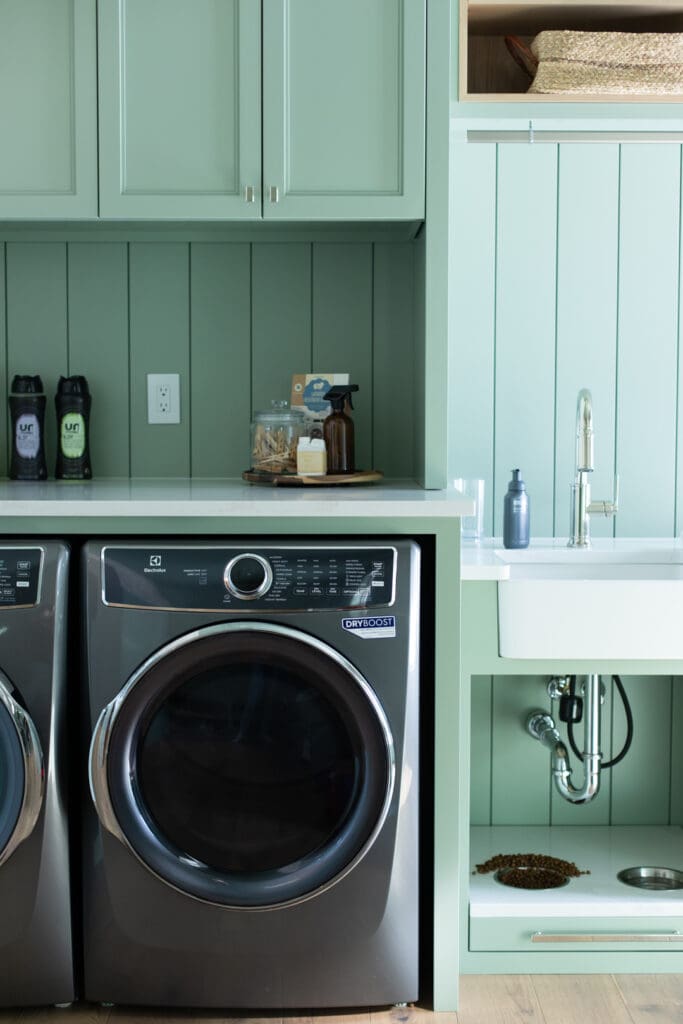
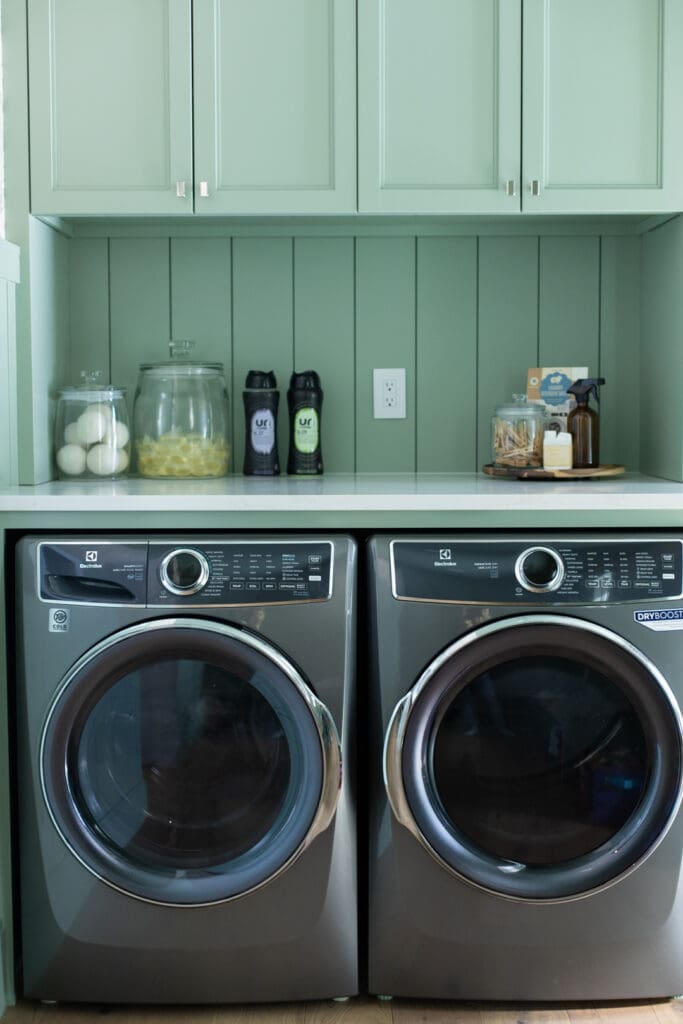
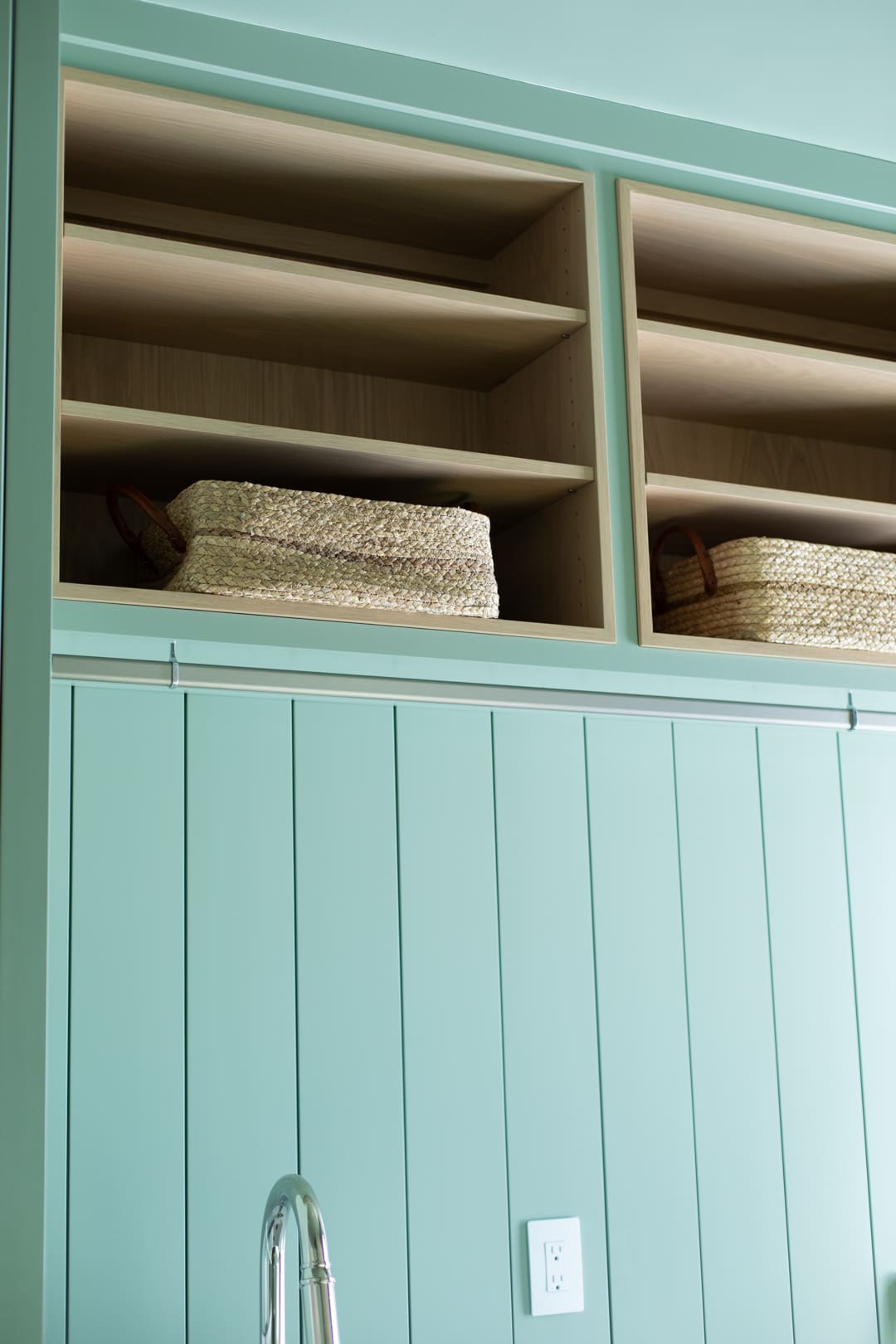
Laundry Room
Paint colors: Sherwin Williams Coastal Plain
Shop the laundry rooms:
Primary Bedroom
Paint colors: Sherwin Williams Topsail
Shop the primary bedroom + bathroom:
Erin’s Office
Paint colors: Sherwin Williams Underseas
Shop Erin’s office:
Primary Bathroom
Paint colors: Sherwin Williams Aesthetic White
Shop the primary bedroom + bathroom:
Upstairs Laundry Room
Paint Colors: Sherwin Williams Expressive Plum
Shop the laundry rooms:
Guest Bedroom
Paint colors: Sherwin Williams Opaline
Shop the guest bedroom + bathroom:
Guest Bathroom
Paint colors: Sherwin Williams SW 7003 Toque White
Does coconut milk need to be refrigerated? It depends on which type you have and whether it has been opened. Canned coconut milk does not need refrigeration before opening. Shelf-stable carton coconut milk does not need refrigeration before opening either. Refrigerated carton coconut milk must stay cold at all times. And all three types must be refrigerated immediately after opening.
The rules are simple once you know which type you have. Getting it wrong mostly matters after opening, when all coconut milk becomes perishable regardless of what it was before. For more on storing pantry staples, see our Food Storage Guide.
Short answer: Canned and shelf-stable carton: no refrigeration needed until opened, then refrigerate immediately and use within 4 to 7 days (canned) or 7 to 10 days (carton). Refrigerated carton: keep cold always, use within 7 to 10 days of opening. Homemade: refrigerate immediately, use within 3 to 5 days.
How Long Does Coconut Milk Last?
Type
Before Opening
After Opening
Canned (full-fat or light)
Pantry, 2 to 5 years
Fridge in airtight container, 4 to 7 days
Shelf-stable carton (unrefrigerated aisle)
Pantry, 6 to 12 months
Fridge, 7 to 10 days
Refrigerated carton (dairy case)
Fridge always, use by printed date
Fridge, 7 to 10 days
Homemade
—
Fridge immediately, 3 to 5 days
The FDA’s safe food handling guidelines advise keeping perishable foods out of the temperature danger zone (40°F to 140°F) and refrigerating opened dairy-alternative products promptly. Once any coconut milk is opened, that guidance applies regardless of how it was stored before.
Canned Coconut Milk: Pantry Before, Fridge After Opening
Unopened canned coconut milk is shelf-stable and does not need refrigeration. Store cans in a cool, dark pantry away from heat sources and they will keep for 2 to 5 years. Avoid storing cans near the stove or in an uninsulated space, as heat accelerates quality decline over time.
Once you open a can, refrigeration is required. Transfer any leftover coconut milk to an airtight container rather than refrigerating it in the original can. Metal from the can lining can leach into the acidic contents once air is introduced, affecting both flavor and quality. A glass jar with a tight lid is ideal. Label it with the opening date and use within 4 to 7 days.
Shelf-Stable Carton: Same Rules as Canned
Shelf-stable cartons, the kind sold in the non-refrigerated aisle, use aseptic packaging that keeps coconut milk stable at room temperature for 6 to 12 months. No refrigeration needed until opened.
Once you open a carton, treat it exactly like opened canned coconut milk: refrigerate, keep sealed, and use within 7 to 10 days. If the carton does not reseal well, transfer the contents to an airtight container.
Refrigerated Carton: Keep Cold Always
Cartons sold in the dairy case have not been aseptically packaged and must stay refrigerated at all times, even before opening. If you bought it cold, keep it cold. Do not leave it on the counter before using.
After opening, use within 7 to 10 days and keep it stored toward the back of the fridge where temperatures are coldest and most consistent. The general food safety rule applies here: if it has been left at room temperature for more than 2 hours, discard it.
Homemade Coconut Milk: Most Perishable
Homemade coconut milk has no preservatives, no stabilizers, and no commercial processing. It must be refrigerated immediately and used within 3 to 5 days. Store in a sealed glass jar. It will separate quickly, so shake it before each use.
Do not leave homemade coconut milk at room temperature for any length of time beyond what is needed during preparation. It follows the same 2-hour room temperature limit as other perishable dairy-alternative products.
What Happens If Opened Coconut Milk Gets Too Warm
Opened coconut milk left at room temperature becomes hospitable to bacteria. Do not leave it out for more than 2 hours (or 1 hour if the room is above 90°F). If you used coconut milk in cooking and have leftover milk sitting on the counter, it is still fine to refrigerate and use later as long as it has not exceeded that 2-hour window. Beyond that, discard it.
Freezing Coconut Milk to Extend Its Life
Freezing is a practical option for leftover coconut milk you will not use within the fridge window. The main thing to know is that coconut milk changes texture after freezing and thawing. It becomes grainier and less smooth due to further disruption of the fat-water emulsion. It is still excellent in cooked dishes like curries, soups, and baked goods, but not ideal for smoothies or drinking straight.
Freeze in an airtight container with room for expansion, or in ice cube trays for easy portioned use. Use within 3 months for best quality. Thaw overnight in the fridge and shake or blend briefly before using.
Signs It Is Still Good
Smells mildly sweet and nutty, like fresh coconut
Off-white to creamy white color
Separated layers that recombine after shaking or stirring (normal for canned)
No mold, no unusual chunks, no sliminess
Signs to Discard
Sour, rancid, or fermented smell
Yellow, gray, or pinkish discoloration
Chunky or slimy texture that does not smooth out after stirring
Visible mold anywhere in the container
Bulging, rusted, or deeply dented can before opening
Frequently Asked Questions
Can I leave opened canned coconut milk out overnight?
No. Once opened, coconut milk is perishable and should not sit at room temperature for more than 2 hours. Refrigerate it in an airtight container as soon as you are done using it.
Can I store opened coconut milk in the fridge in the original can?
It is not recommended. Metal from the can lining can leach into the acidic contents, affecting flavor and quality. Transfer to an airtight glass or plastic container before refrigerating.
My canned coconut milk has a solid white layer. Do I need to store it differently?
No. That solid layer is normal fat separation and does not change how you store it. Before opening, keep the can at room temperature in a cool, dark pantry. After opening, transfer to an airtight container and refrigerate.
How long can I keep shelf-stable carton coconut milk in the pantry once opened?
Once opened, a shelf-stable carton is no longer shelf-stable. Refrigerate it immediately and use within 7 to 10 days. The pantry is not appropriate storage after the seal is broken.
Does coconut cream follow the same rules?
Yes. Coconut cream is a higher-fat version of canned coconut milk and follows identical storage rules. Unopened cans go in a cool, dark pantry. Opened: transfer to an airtight container in the fridge and use within 4 to 7 days.
Can I refrigerate an unopened can of coconut milk?
Yes, though it is not necessary. Cold temperatures cause the fat to harden further, making the cream layer very solid. This does not harm the product, but let it come to room temperature before opening if you store it in the fridge.
Does coconut milk go bad? Yes, all types do, but how quickly depends on which kind you have and whether it has been opened. Canned coconut milk is one of the most shelf-stable items in your pantry when sealed. Once opened, it is more perishable than most people expect. Carton coconut milk has a shorter shelf life overall, and homemade coconut milk is the most perishable of all.
The most important thing to know upfront: the thick, solid layer that forms on top of canned coconut milk is not spoilage. It is normal fat separation. More on that below, because it is the single most common reason people throw out perfectly good coconut milk. For a broader look at how to store pantry staples, see our Food Storage Guide.
Short answer: Unopened canned coconut milk lasts 2 to 5 years in the pantry. Opened canned keeps 4 to 7 days in the fridge. Shelf-stable cartons last 6 to 12 months unopened and 7 to 10 days once opened. Refrigerated cartons follow the printed date and should be used within 7 to 10 days of opening. Homemade lasts 3 to 5 days refrigerated.
How Long Does Coconut Milk Last?
Type
Unopened
Opened (refrigerated)
Canned (full-fat or light)
2 to 5 years at room temp
4 to 7 days
Shelf-stable carton (unrefrigerated aisle)
6 to 12 months; often 3 to 4 weeks past best-by
7 to 10 days
Refrigerated carton (dairy case)
Use by printed date
7 to 10 days
Homemade
—
3 to 5 days
Frozen (any type, opened)
—
Up to 3 months
According to StillTasty, which compiles shelf life data from USDA sources and food manufacturers, an unopened can of coconut milk will generally stay at best quality for 18 to 24 months, though it typically remains safe to use well past that date when properly stored and the can shows no damage.
Canned vs Carton: Why Storage Differs
These two products behave very differently and should not be treated the same way.
Canned coconut milk is thick, high in fat, and made with very few ingredients: typically coconut, water, and sometimes guar gum as a stabilizer. It is shelf-stable for years when sealed because of the airtight can and the low water activity created during processing. Once opened, it must be used quickly.
Carton coconut milk is a thinner, diluted product designed as a dairy milk substitute. It contains additional stabilizers, preservatives, and often added vitamins and minerals. Shelf-stable cartons, found in the non-refrigerated aisle, are processed using aseptic packaging and last 6 to 12 months. Refrigerated cartons, in the dairy case, are not shelf-stable and should be treated like dairy milk: keep cold and use by the printed date.
Separation vs Spoilage: The Most Important Distinction
This is the single most important section on this page.
Canned coconut milk naturally separates into two layers: a thick, solid white cream on top and a thinner watery liquid below. This happens because coconut milk’s saturated fats solidify at room temperature and especially in the fridge. It is completely normal and is not a sign that the milk has gone bad.
To use, shake the can well before opening, or warm the contents gently and stir. The layers will recombine into a smooth, creamy liquid.
What you are looking for to identify actual spoilage is different from separation: a sour smell, off color, sliminess, or mold. If the milk separates but smells clean and mildly sweet, it is fine. If it smells sour or looks gray or yellow, discard it.
The Storage Mistake That Speeds Up Spoilage
Do not store leftover coconut milk in the open can. Metal from the can lining can leach into the acidic contents once air is introduced, affecting both flavor and quality over time. Transfer opened coconut milk to an airtight glass or plastic container before refrigerating. Label it with the date you opened it so you know where you stand in the 4-to-7-day window.
How to Tell If Coconut Milk Has Gone Bad
Smell is the most reliable indicator. Check in this order:
Smell: Sour, rancid, fermented, or otherwise unpleasant. Fresh coconut milk smells mildly sweet and nutty. Any off odor means discard.
Color: Should be off-white to creamy white. Yellow, gray, or pinkish tints indicate oxidation or microbial growth and the milk should be discarded.
Texture: Chunky, slimy, or curdled texture that does not smooth out after shaking or stirring is a spoilage sign. Normal separation does mix back together.
Mold: Any visible mold means discard the entire container immediately.
Can condition: A bulging, rusted, or deeply dented can indicates the seal may be compromised. Discard without opening.
Normal and not spoilage:
Thick solid cream layer on top of canned coconut milk: normal fat separation, shake or stir to recombine
Watery layer at the bottom of a canned or carton product: also normal separation
Mild natural variation in whiteness between cans: different batches and fat content
Can You Freeze Coconut Milk?
Yes, though there is a texture trade-off. Frozen coconut milk tends to become grainy or gritty after thawing because freezing further disrupts the fat-water emulsion. It is still perfectly usable in cooked dishes like curries, soups, and sauces where texture blends into the dish. It is not ideal for drinking or for recipes where smooth, creamy texture matters.
To freeze, transfer to an airtight container or ice cube tray, leaving room for expansion. Use within 3 months for best quality. Thaw overnight in the fridge and shake or blend briefly before using.
Frequently Asked Questions
Can I use canned coconut milk past its best-by date?
Unopened cans that are stored properly and show no damage are often still good months or even years past the printed date. The best-by date is a quality marker, not a safety cutoff. When you open it, check the smell, color, and texture. If it passes all three, it is fine to use.
There is a solid white layer in my can. Is it ruined?
No. That is coconut cream that has solidified due to fat separation, which is completely normal. Shake the can well before opening, or scoop everything into a pan and warm gently while stirring. It will smooth out.
How long does coconut milk last after opening?
Canned coconut milk lasts 4 to 7 days in the fridge after opening, stored in an airtight container rather than the original can. Carton coconut milk lasts 7 to 10 days after opening.
My opened coconut milk has been in the fridge for 10 days. Is it safe?
Check the smell first. If it smells sour or off, discard it. If it smells clean and passes the color and texture checks, it may still be okay, but at 10 days it is at the outer edge of the safe window. When in doubt, throw it out.
Can coconut milk make you sick if it has gone bad?
Yes. Spoiled coconut milk can harbor bacteria that cause foodborne illness. Do not taste-test suspicious coconut milk. Rely on smell, color, and texture as your indicators instead.
Why does my coconut milk smell slightly sour right out of the can?
Some brands use citric acid as a preservative, which can give a faint acidic note. If the smell is mildly tangy but not rancid or fermented, and the color and texture look normal, it is likely fine. If the smell is strongly sour or unpleasant, discard it.
Can I freeze coconut milk in the original carton?
No. Liquids expand when frozen and cartons are not designed for this. Transfer to a freezer-safe airtight container with headspace for expansion. Ice cube trays work well for smaller portions.
More than 350 stylish supporters gathered poolside for Big Brothers Big Sisters of Broward County’s 22nd annual Déjà Vu: Drift Away to Summer, raising nearly $400,000 to support life-changing youth mentoring programs.
Held on the Guitar Hotel pool deck at the Seminole Hard Rock Hotel & Casino Hollywood, the evening delivered a breezy summer escape. Guests arrived in chic seasonal attire and passed through a glowing tunnel before stepping onto the pool deck for a lively cocktail reception with gourmet food stations and festive drinks. The iconic Guitar Hotel glowed green in honor of Big Brothers Big Sisters, setting the tone for a night filled with music, philanthropy, and celebration.
The highlight was a private poolside concert by multi-platinum artist Uncle Kracker, whose hits had guests singing and dancing under the stars.
“I’m incredibly grateful to our honorees and supporters who believe in the power of mentorship,” said Malena Mendez, president and CEO of Big Brothers Big Sisters of Broward County. “Their leadership helps us expand opportunities and create brighter futures for local youth.”
The evening was co-chaired by Traci Miller of Miller Construction and Nicky Tesser of JetBlue. Guests also participated in a high-energy live auction and explored silent auction items benefiting mentoring programs.
Several community leaders were honored for their dedication to Broward youth. Manuel “Manny” Catedral received the Champion of Children Award for his mentorship through the BIG Futures program. Southern Glazer’s Wine & Spiritsearned the Impact Award for supporting student mentorship. Longtime board member Dawn Stagliano received the Legacy Award for more than 15 years of service.
The organization also inducted Delrish Moss, chief of police for the City of Miramar, into its Alumni Hall of Fame for his leadership of the Bigs with Badges program and lifelong commitment to mentorship.
Proceeds from the evening will help Big Brothers Big Sisters of Broward County continue connecting local youth with mentors who inspire brighter futures.
Virginia Bonsignore, Samantha Bonsignore and Dawn Stagliano
Uncle Kracker
Southern Glazer’s Wine & Spirits’ Greg Rabinovich, Brian McGrath and Heather Zyjewski
Sardou Mertilus, Angela Ramos, Marlene Williams and Roz Perlmutter
Lois Marino, Nicky Tesser and Traci Miller
Jillian Johnson, Susan Eccher, Andy Eccher and Jeff Johnson
Delrish Moss, City of Miramar Police Chief
Craig Danto, Debbie Danto, Malena Mendez and Jenny de Borja
Do sun-dried tomatoes go bad? Yes, but the timeline depends almost entirely on what type you have and how you store them. Dry-packed sun-dried tomatoes are among the most shelf-stable pantry ingredients you can own. Oil-packed ones are more perishable once opened, and homemade versions in oil carry a food safety consideration that most storage guides skip entirely.
Understanding the difference between the two types is the most important thing here. They behave very differently in storage, and the rules for one do not apply to the other. For a broader look at how to store pantry condiments and staples, see our Food Storage Guide.
Short answer: Unopened dry-packed sun-dried tomatoes last 9 to 12 months at room temperature and up to 2 years refrigerated. Unopened oil-packed jars last 1 to 2 years in the pantry. Once opened, oil-packed must be refrigerated and used within 6 months. Dry-packed opened keep 6 to 9 months in an airtight container.
Sun-Dried Tomato Shelf Life at a Glance
Type & Condition
Pantry
Refrigerator
Dry-packed, unopened
9 to 12 months
Up to 2 years
Dry-packed, opened
6 to 9 months (airtight container)
Up to 1 year
Oil-packed, unopened
1 to 2 years
Beyond best-by date; quality declines over time
Oil-packed, opened
Not recommended
Up to 6 months
Homemade in oil (plain, fully dried, no garlic or fresh herbs)
Up to 6 months if fully dried
1 to 2 months after opening
Homemade in oil with garlic or fresh herbs
Not safe — refrigerate only
4 days maximum
Frozen (either type)
—
Up to 1 year
Dry-Packed vs Oil-Packed: Why It Matters
Dry-packed sun-dried tomatoes are sold in bags or vacuum-sealed pouches and look like dried fruit: leathery, shrunken, and intensely colored. Because nearly all their moisture has been removed during drying, there is very little water available for mold or bacteria to grow. This makes them remarkably shelf-stable. Stored in a cool, dark pantry in an airtight container after opening, they will stay good for the better part of a year.
Oil-packed sun-dried tomatoes are softer, already partially rehydrated, and submerged in olive oil, often with garlic, herbs, or other seasonings. The oil creates an anaerobic (low-oxygen) environment that extends shelf life when sealed but requires careful handling once opened. Once air gets into the jar, the clock starts. They must be refrigerated and kept fully submerged in oil at all times.
The Food Safety Warning Most Guides Skip
This section matters most for anyone making sun-dried tomatoes at home or adding fresh ingredients to a store-bought jar.
Clostridium botulinum, the bacterium that produces botulism toxin, thrives in anaerobic (low-oxygen) environments like oil. Fully dried tomatoes on their own are acidic enough to provide some protection in that environment. But adding fresh garlic, fresh herbs, or other low-acid ingredients to a jar of oil creates conditions where botulism can develop.
The Oregon State University Extension Service is explicit on this point: dried tomatoes packed in oil with garlic or herbs must be refrigerated and used within 4 days. The National Center for Home Food Preservation (NCHFP) recommends against storing any homemade tomatoes in oil, noting that oil can protect botulism organisms trapped in water droplets even when other conditions appear safe.
Commercial oil-packed sun-dried tomatoes are produced under controlled pH and processing conditions that address this risk. The 4-day rule applies to homemade preparations and to store-bought jars where fresh garlic or fresh herbs have been added after opening.
A Normal Thing People Mistake for Spoilage: Solidified Oil
This is the most common reason people throw out perfectly good oil-packed sun-dried tomatoes. When refrigerated, olive oil solidifies. The jar will look cloudy, opaque, or waxy, and the oil may form small white beads or crystals around the tomatoes. This is completely normal: it is the natural physical behavior of olive oil at cold temperatures.
To use, remove the jar from the fridge and let it sit at room temperature for 20 to 30 minutes. The oil will return to liquid and the tomatoes will be easy to remove. Bella Sun Luci, one of the leading commercial producers of oil-packed sun-dried tomatoes, confirms this is an expected and natural process and not a sign of spoilage.
How to Tell If Dry-Packed Tomatoes Have Gone Bad
The main enemies of dry-packed sun-dried tomatoes are moisture and age. If they were stored somewhere humid or the bag seal was broken and exposed to air for a long time, quality declines noticeably:
Visible mold: white, green, or fuzzy growth on the surface
Slimy or unusually wet texture (moisture got in)
Sour, fermented, or off smell that is distinct from the normal concentrated tomato aroma
Extremely hard, brittle texture with no pliability at all
Insects or evidence of pantry pests in the bag
Slight hardening over time is not automatic spoilage. Dry-packed tomatoes can be rehydrated in warm water or broth for 20 to 30 minutes to restore their texture. If they smell off or show any mold, discard them.
How to Tell If Oil-Packed Tomatoes Have Gone Bad
Visible mold on the tomatoes or on any part sitting above the oil
Bubbling or fizzing in the jar: a sign of yeast or bacterial activity, discard immediately
Sour, rancid, or fermented smell that does not resemble normal olive oil or tomatoes
Slimy film on the surface of the oil or on the tomatoes
Rancid-tasting oil: the oil itself can go off even if the tomatoes look fine
Normal and not spoilage:
Solidified, cloudy, or opaque oil in the fridge: this is just cold olive oil behaving normally
Darker color on the tomatoes compared to when you first opened the jar: normal oxidation
Oil that has taken on a reddish or orange tint: the tomatoes have infused it, and that oil is excellent for cooking
The Key Storage Rule for Oil-Packed: Keep Them Submerged
Any tomato sitting above the oil line and exposed to air is at risk of mold. Every time you use some, check that the remaining tomatoes are fully covered. If the level drops, top up the jar with fresh olive oil before returning it to the fridge. This one habit makes the difference between a jar that lasts 6 months and one that grows mold at 6 weeks.
Always use a clean, dry utensil when removing tomatoes. Never use fingers or a wet spoon. Introducing water into an oil-packed jar is one of the fastest ways to cause early spoilage.
Frequently Asked Questions
Can you eat sun-dried tomatoes that have turned very dark?
Dry-packed tomatoes naturally darken over time due to oxidation. A very dark brownish-red color is normal and does not mean they are bad. Smell them first. If they still smell like concentrated tomatoes, they are fine to eat.
My dry-packed tomatoes have gone very hard. Are they ruined?
Not necessarily. Hardening happens when moisture has been drawn out further over time. Try rehydrating a few in warm water for 20 to 30 minutes. If they soften and smell normal, they are fine to use. If they do not rehydrate or smell off, discard them.
Can I use the oil from an oil-packed jar?
Yes. The tomato-infused oil is excellent in salad dressings, as a pasta finish, or for sautéing aromatics. Use it while the jar is within its window and the oil smells fresh. Do not use oil that has gone rancid even if the tomatoes still look okay.
How long do sun-dried tomatoes last after the best-by date?
Dry-packed varieties are often fine 3 to 6 months past the printed date if stored properly and the bag was never opened. Oil-packed unopened jars can be fine 6 to 12 months past the date. Once opened, follow the type-specific storage guidelines above rather than the printed date.
Can I freeze sun-dried tomatoes?
Yes. Dry-packed tomatoes freeze well in a sealed freezer bag with air removed for up to a year. For oil-packed, remove from the oil, pat dry, and freeze in a single layer before transferring to a container. Both thaw quickly at room temperature.
What does it mean if my oil-packed jar is bubbling?
Bubbling or fizzing is a sign of active fermentation: yeast or bacterial growth in the jar. Discard immediately without tasting.
I added fresh garlic to my oil-packed jar. Is it still safe?
Only if you refrigerate it immediately and use it within 4 days. Fresh garlic in oil at room temperature creates conditions where botulism can develop. The Oregon State University Extension Service is explicit about this rule. Refrigerate and use within 4 days, or discard.











 JavaScript is currently disabled in this browser. Reactivate it to view this content.
 Separate Your Accounts Immediately
 Track Every Single Expense
 Master the Home Office Deduction
 Home Office Deduction Checklist
 Set Aside Money for Taxes


 Schedule Weekly Financial Check-ins
 What to Review Every Friday
 Define Your Profit and Your Pay
 The Bottom Line

 We officially moved into our new home in December and are starting to feel settled in and like this house is now a home!






























































































































 The Short Answer
 Canned Coconut Milk: Pantry Before, Fridge After Opening
 Shelf-Stable Carton: Same Rules as Canned
 Refrigerated Carton: Keep Cold Always
 Homemade Coconut Milk: Most Perishable
 Freezing Coconut Milk to Extend Its Life
 Signs to Discard
 Frequently Asked Questions
 Related Food Storage Guides
 Recipes That Use Coconut Milk
 Canned vs Carton: Why Storage Differs
 The Storage Mistake That Speeds Up Spoilage
 How to Tell If Coconut Milk Has Gone Bad











 The Short Answer
 The Food Safety Warning Most Guides Skip