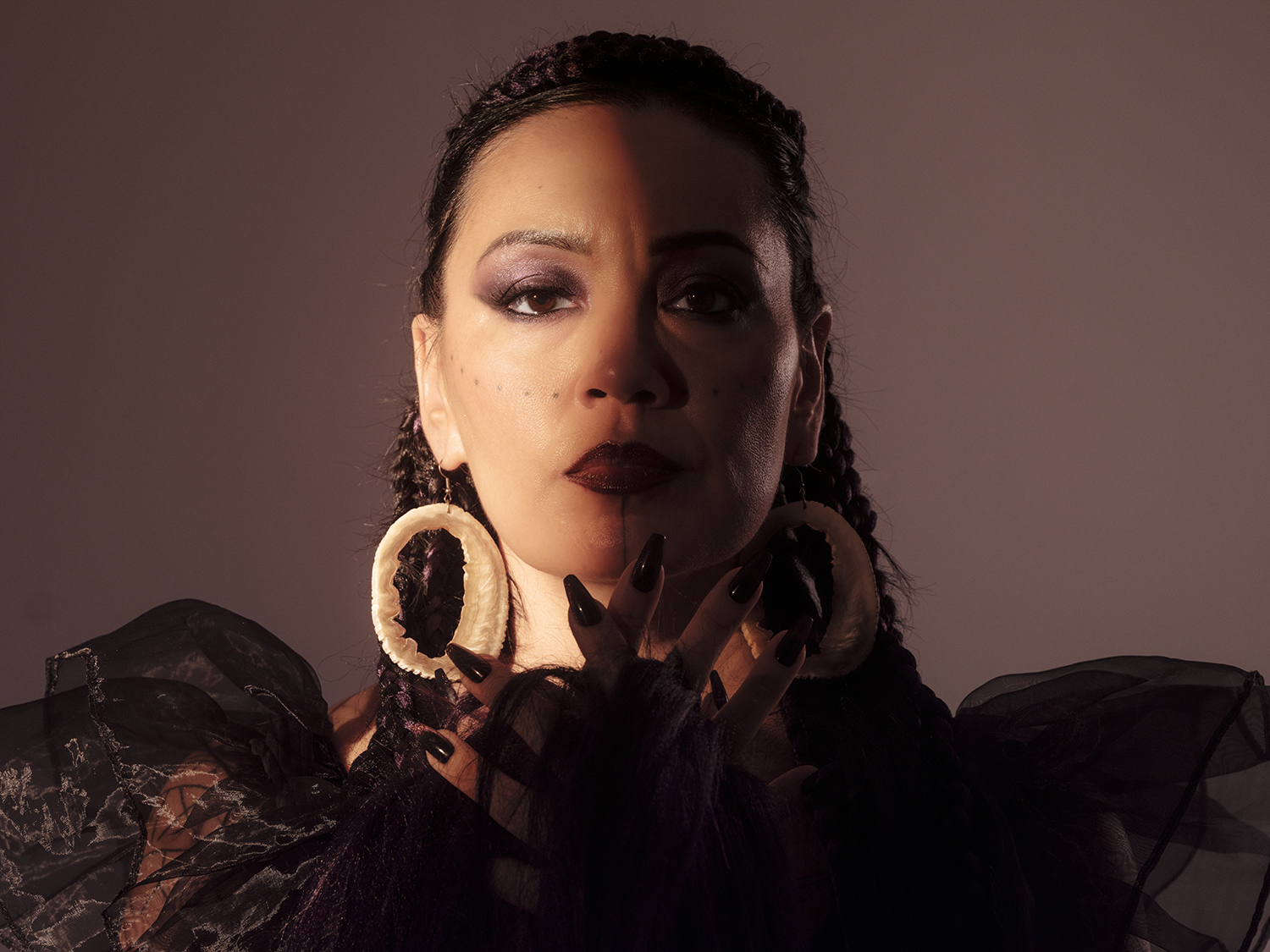
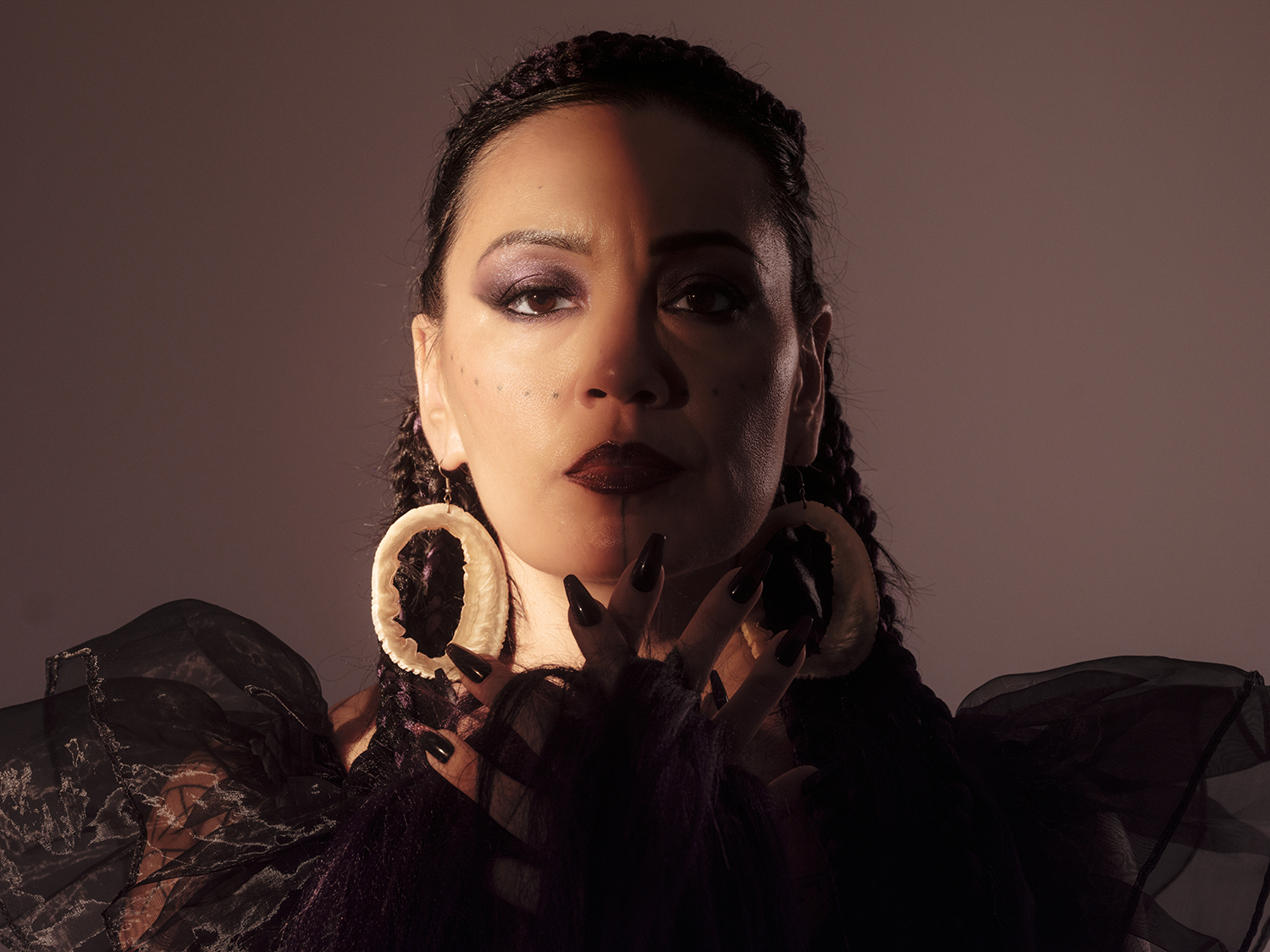
Beatrice Deer builds bridges between generations. From Montreal, but with deep roots in Nunavik, her work has become a way to bring stories once told in the intimacy of an igloo to global stages. With “Inuit Legend,” her new album, Beatrice takes tales passed down by her ancestors and transforms them into songs that retain their essence but find new ways to exist in the present.
In this conversation, the artist speaks honestly about her relationship with these stories, the process of reinterpreting them, and the responsibility of keeping them alive. She also reflects on themes that run through the album, such as community justice, the role of women within Inuit culture, and how these narratives continue to resonate today.
For those who are just discovering your work, how would you introduce yourself as an artist and storyteller?
I was a small-town Inuk girl with big dreams and heavy life experience baggage, so I moved to Montreal to pursue a better life and pursue music, and I have lots to say about my culture, decolonization, love, pain, and everything.
Your new album, “Inuit Legend,” is built around stories and oral traditions from Inuit culture. When did you first feel the need to turn these ancestral legends into songs?
I’ve always carried our legends with me since childhood. I first released a song called “Fox” about an Inuit legend on my 2015 EP also named “Fox” and a song called “Atungak” in my 2018 “My All to You” album, so I always felt the need to share our legends, but the idea of making a full album about them came in 2023 because our stories are too cool not to make songs out of.
Many listeners outside the Arctic may be encountering these stories for the first time through your music. How did you approach the responsibility of translating these cultural narratives for a global audience?
I just did what I love doing, which is making music with my bandmates and producers Mark “Bucky” Wheaton and Christopher McCarron, and the songs became what they are now. The only responsibility I felt was the need to do these stories and my ancestors’ justice, and to transmit these stories so they live on for future generations. I come from a long line of storytellers, so my way is just modern, using today’s technology, whereas my grandparents told stories in an igloo in the tender light of a qulliq (traditional oil lamp).
One of the most striking songs on the album is “Aukkauti.” What drew you personally to this particular story, and what emotions did you experience while turning such a tragic event into music?
First of all, I watch a lot of true crime documentaries and listen to podcasts about it. I have a podcast called NORTHERNED, and on it, our guest was Lisa Koperqualuk, an Inuk anthropologist who told us the tragic story of Aukkauti that took place in 1899 in the region of Akulivik in Nunavik. I’ve heard the story before in bits and pieces, but the conversation with Lisa made me really see the human in Aukkauti, who I always thought was a total monster for what he did, but apparently, he was a very gentle and kind man before the accident, followed by the massacre. I imagined the deep regret of killing someone you care about by accident, and then the horror of your whole family being killed because of retaliation, and then completely losing it. I thought about operas and how dramatic they are. I was a little bit worried about what people might think about me writing a song about it, but I gave myself permission to tell the story.
<center><iframe width=”560″ height=”315″ src=”https://www.youtube.com/embed/tiKnfTLTOq0?si=q-dtRBUz2R__qMls” title=”YouTube video player” frameborder=”0″ allow=”accelerometer; autoplay; clipboard-write; encrypted-media; gyroscope; picture-in-picture; web-share” referrerpolicy=”strict-origin-when-cross-origin” allowfullscreen></iframe></center>
You mentioned enjoying the process of exploring your vocal abilities while recording “Aukkauti.” What new vocal territories did you discover during the making of this album?
I learned more and more that I can sing pretty high notes. Exploring new ways of singing can be a very vulnerable place, so I’m so happy that I work with the most encouraging producer (Bucky Wheaton) there is, who’s able to bring out abilities that I didn’t even know I had.
“The Bear” tells the powerful story of an elderly woman who confronts and defeats a polar bear during a time of famine. What meaning or lesson does this story offer you?
The lesson is never walk alone and without a gun, haha. But in all seriousness, it speaks to how strong and courageous human beings can become in the face of death.
Which story or character from Inuit folklore fascinated you the most while creating the album?
That’s a hard question to answer, as they all fascinate me. The woman who adopted the caterpillar is definitely one of the most fascinating characters in the album. Anything psychological is very interesting to me, and that woman clearly suffered some form of psychosis to be able to nurse a caterpillar from her breast, but since she didn’t produce any milk, she fed it her own blood.
Many of the stories in the album highlight themes of survival, community justice, and respect for nature. Was that a conscious direction while writing, or did those themes emerge naturally during the process?
They emerged naturally because we, as Inuit, survival, community justice, and respect for nature are all engraved in us as our core values.
And speaking of that, what is the role of women in Inuit culture? Because it feels like several songs on the album highlight female strength.
Women are total leaders in our homes and communities. They have always been and always will be. The courage and strength that Inuit women have are immense. We sew, we make art, we share knowledge, we hunt, we feed, we fish, we bear children, we raise them, we’re involved in community, we hold each other, we heal each other, and we do it all while carrying grief upon grief upon grief due to the many losses we endure as Inuit.
When listeners hear this album, what do you hope they understand about Inuit culture that they might not have known before?
That Inuit culture is incredible. It’s alive. It survived colonization.
Now that “Inuit Legend” is out in the world, what comes next for you? Are there plans for new music, collaborations, or bringing these stories to audiences in other ways?
I would love to do a bluegrass gospel cover album in Inuktitut.
Throughout the interview, Deer makes it clear that her music doesn’t aim to explain Inuit culture but rather to share it from her own experience. Between memories, personal references, and creative decisions, “Inuit Legend” emerges as a project that doesn’t separate the artistic from the cultural. What’s next for her is still evolving, but her focus remains on continuing to tell stories that, far from being relegated to the past, keep finding new ways to be heard.
CONNECT WITH BEATRICE DEER
The post BEATRICE DEER IS KEEPING INUIT LEGENDS ALIVE — ONE SONG AT A TIME appeared first on LADYGUNN.

Leave a Reply